Oracle Health
In Summer 2025, I had the opportunity to intern with the Oracle Health (formerly Cerner) & AI UX Design team. For my project I was tasked with exploring virtual care solutions to support rapid response and decision making in disaster zones. In 12 weeks, I designed a two-part solution that would help patients find the best route of care based on their symptoms and frontline health providers connect with patients when wifi connectivity was spotty and/or limited because of a natural disaster.
Problem Statement
In the grand scheme of disaster – during and after – local hospitals and urgent care clinics can be overwhelmed with a massive influx of patients and face inconsistent access to infrastructure that provides those services. Many patients and evacuees will seek medical help, which could overload an already stretched system.
How Might We
How might we ensure patients can access timely, appropriate, and continuous care during disasters even as systems and frontline health providers face disruptions and increased demand?
Problem Areas & Exploration
In the discovery phase, I researched different problem areas in emergency situations that would help me define the wide scope of my problem statement. Areas I explored included access to healthcare, obtaining prescriptions, receiving medical advice, and educational resources in the realm of disaster response.
In the beginning of my research, I focused heavily on mobile applications that provided helpful services to patients during disasters. I conducted a competitive analysis to compare the services offered, search experience, and unique features of each app. From my analysis, I started brainstorming what Oracle Health’s own disaster preparedness app could look like.
After presenting my first set of findings and receiving feedback from my team, I found that an emergency preparedness app was not the best direction in order to solve the core of my problem. I also discovered that what I presented had to be embedded within an existing Oracle Health platform such as the patient portal. Next, I pivoted and went back to the drawing board, taking inspiration from some secondary research I had gathered.
Key Findings
From the research I gathered needs that patients had included:
- Access to health services (“when will your facilities be open...?”)
- Appointment scheduling (“I need to reschedule my appointment...I can’t leave my home”)
- Prescription refills (“My regular pharmacy is closed...can you send my prescription to [x] pharmacy?”)
- Medical advice (“I’m experiencing frequent headaches, aches in my muscles, and dizziness...”)
Clarity of Purpose Statement
Looking at the culmination of research and data, I proposed a clarity of purpose statement based off of one of Oracle Health’s personas, Ashley Harris.
Scenario & Prototype
Final Solution
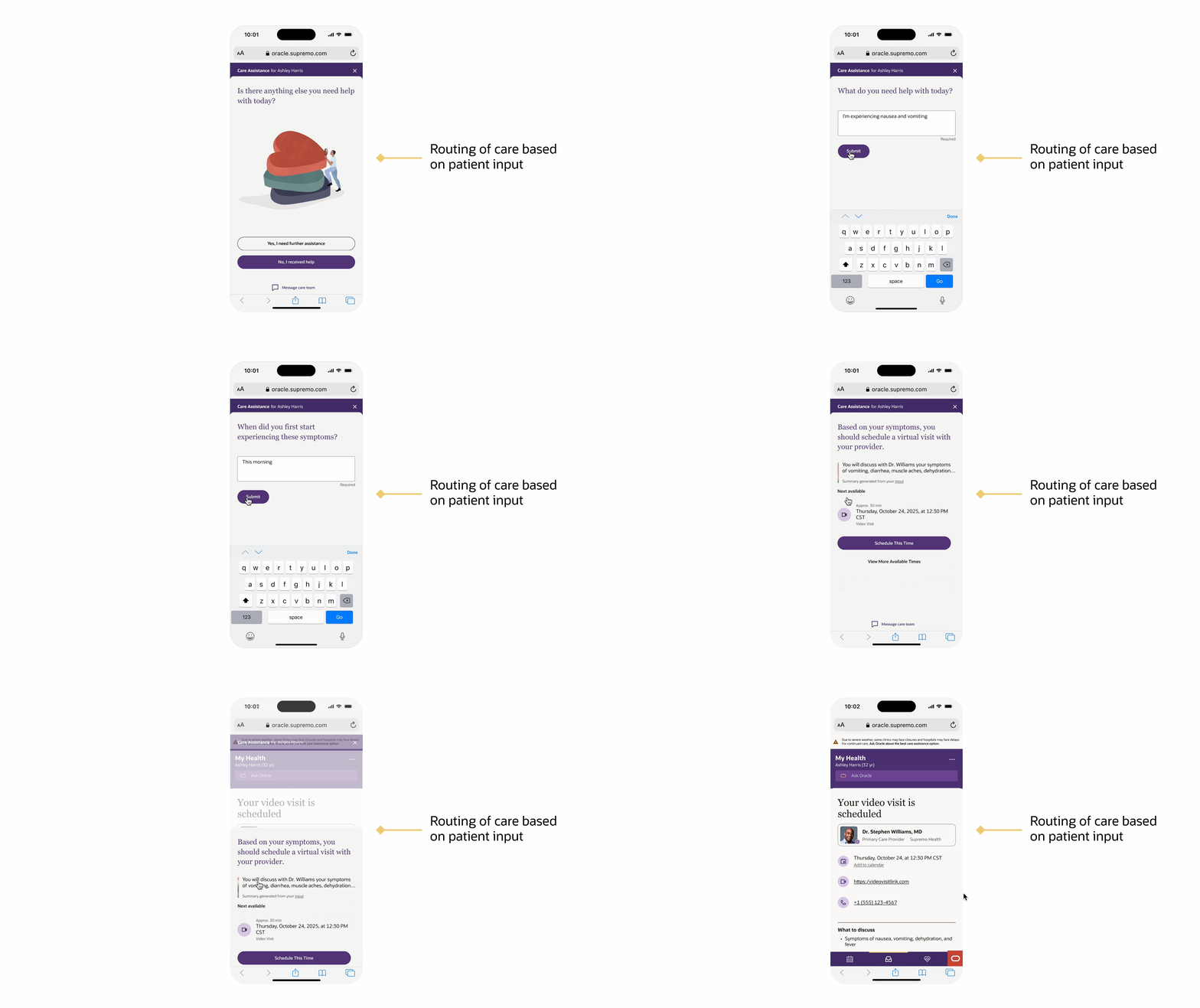
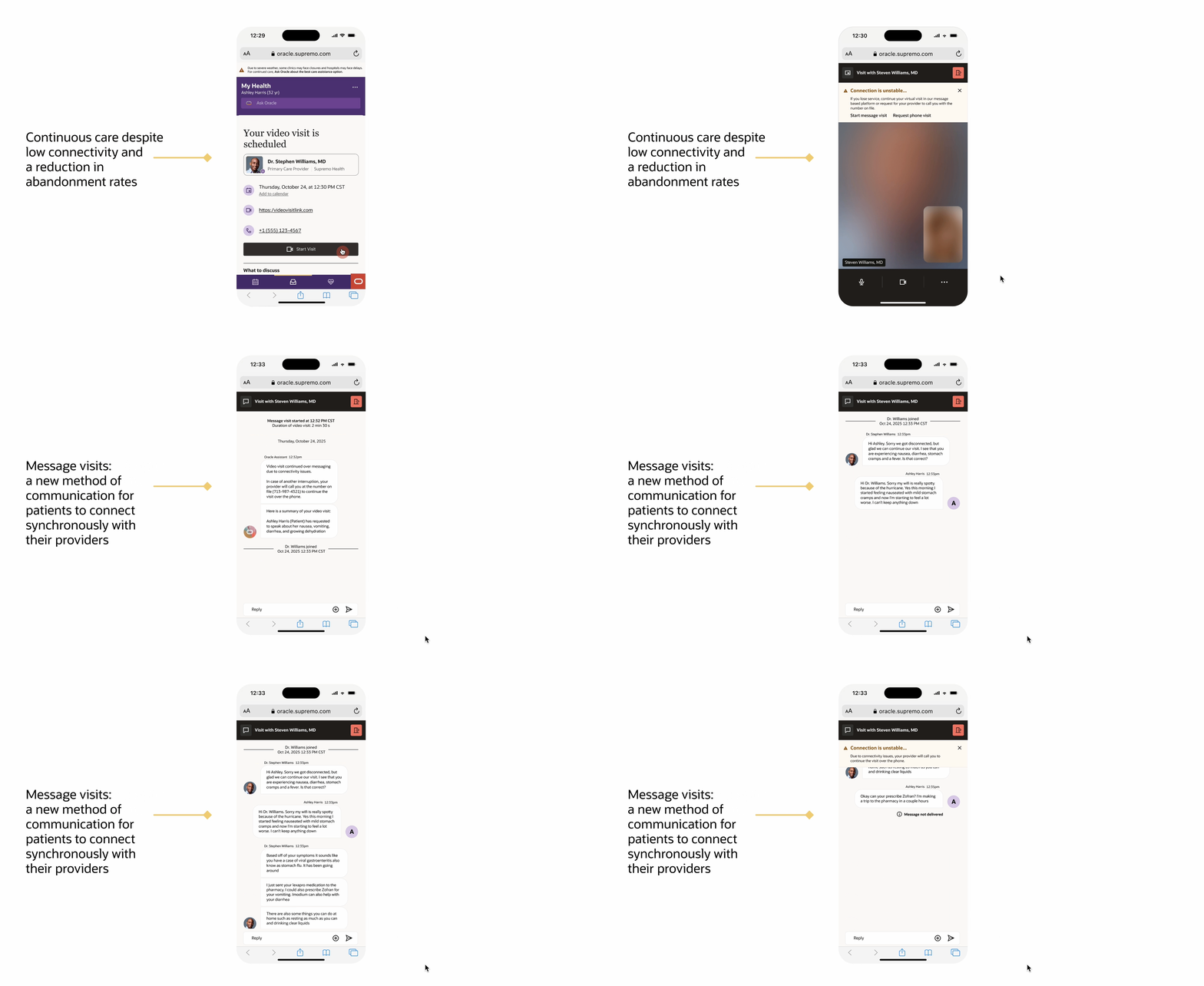
For the first part of my solution, I created a conversational AI model that gives patients recommendations on the care they can receive based on their symptoms. The second part of the solution includes messaging as a way for patients to virtually connect and have an appointment with their providers during a disaster. Currently, the patient portal only supports video visits as an appointment – which isn’t always reliable or ideal during emergency situations.
Next Steps
- Having conversations with patients and providers to understand and test the viability of this solution
- Establishing the necessary boundaries and parameters of how message visits will operate in the patient portal
- Sharing with the broader clinical team to gauge interest and further feedback for refinement in the future
Learnings & Takeaways
- Incorporating continuous feedback from mentors and peers leads to stronger, more refined designs at every stage
- Stay open-minded and ready to adapt at any moment — good design often comes from unexpected directions
- Keep the user at the center of every decision to ensure meaningful, intuitive experiences